Concrete Leveling vs replacement: costs, benefits, and timelines
Wiki Article
Concrete Leveling Made Easy: Expert Tips for a Smooth and Sturdy Surface
Concrete leveling is a crucial task for keeping both safety and visual appeals in any kind of property (Concrete Leveling Des Moines). Various elements can cause uneven surface areas, which might require different methods for correction. Understanding these approaches is essential, whether one go with self-leveling compounds or advanced strategies like mudjacking. As the procedure unravels, it becomes clear that proactive actions can significantly influence the durability of concrete surfaces. Discovering these strategies will certainly disclose one of the most reliable remediesComprehending the Causes of Uneven Concrete
Uneven concrete surface areas can commonly be traced back to a number of underlying causes. One common factor is dirt negotiation, which happens as the ground below the concrete shifts or compresses in time. This can result from improper compaction throughout the initial installment or modifications in dampness degrees. An additional contributing aspect is tree origins, which can grow below concrete pieces, pushing them upward and developing unevenness. Furthermore, freeze-thaw cycles can cause heaving, as water infiltrates fractures and broadens when frozen (Concrete Leveling). Poor drainage can intensify these issues, allowing water to swimming pool and erode the soil below the surface area. Understanding these factors is vital for home owners looking for to fix the disproportion and attend to in their concrete structures efficientlyExamining the Damages: When to Level Your Concrete
Reviewing the damage to concrete surface areas is essential for preserving safety (Slabjacking Iowa). Signs of uneven surfaces, such as cracks or tripping dangers, show the need for immediate focus. Overlooking these problems can lead to increased safety and security threats and additional deterioration of the concreteIndicators of Irregular Surfaces
A noticeable shift in the surface area of concrete can result in different problems, making it necessary to recognize the signs that indicate a need for leveling. One common sign is the visibility of fractures, which may appear as tiny fissures or larger spaces. Additionally, unequal surface areas commonly result in pooling water, developing a hazard during rainfall or snow. Homeowners might also notice a noticeable incline or dip in the concrete, affecting visual appeals and functionality. When strolling on the surface; hollow or echoing noises can signify gaps below, one more sign is the noise produced. Normal inspection for these signs can help avoid additionally wear and tear, ensuring a steady and risk-free concrete surface for several years to come.Effect On Security Issues
Concrete surface areas that display signs of damages can posture considerable security dangers to people and building. Fractures, unevenness, and working out can cause tripping threats, impacting pedestrian security and enhancing the possibility of mishaps. In addition, jeopardized surfaces might create more structural damages, which can rise repair prices and influence residential or commercial property value. Determining when to level concrete is vital; house owners ought to check for noticeable degeneration, such as huge splits or visible slopes. Prompt treatments and routine assessments can alleviate dangers, making certain a secure atmosphere for both visitors and locals. Proactively attending to these concerns not just boosts security however also extends the life of the concrete, supplying a sturdy and smooth surface for various applications.Tools and Materials Needed for Concrete Leveling
When planning for concrete leveling, comprehending the essential tools and materials is crucial. A thorough checklist of required items assurances that the process runs smoothly and successfully. This area will describe the trick devices and products required for effective concrete leveling.Important Devices Introduction
Effective concrete leveling calls for a range of essential devices and materials that ensure accuracy and performance. Trick devices include a concrete float, which smooths the surface; a screed board, made use of to level the concrete; and a trowel for completing edges. A level is vital for guaranteeing an also surface area, while a concrete mixer is needed for preparing the mix. In addition, a wheelbarrow help in transporting products, and safety equipment, like handwear covers and goggles, shields the employee throughout the procedure. For bigger tasks, a concrete pump might be required to deliver the mix successfully. Having these tools handy allows for a structured leveling process, making certain a smooth and resilient finish that meets task requirements.
Necessary Products Checklist
A complete materials list is crucial for any person embarking on a concrete leveling job. Key products include leveling compound, which completes reduced spots, and a blending pail for preparation. Concrete Leveling. A trowel is necessary for smooth application, while a float helps accomplish an even coating. Additionally, a straight side or degree is essential to assure accuracy during the leveling procedure. For safety and security, handwear covers and security goggles ought to be included. A concrete mixer may be advantageous for larger projects, while a mop works for surface prep work. A wet cloth help in cleansing tools post-project. Collecting these materials in advance will certainly improve the leveling procedure and add to a successful outcomeStep-by-Step Overview to Leveling Your Concrete
Concrete leveling requires an organized strategy to guarantee a smooth, even surface area. The location should be completely cleaned up, removing all particles and loose material. Next, examine the concrete for cracks or damages and fix them accordingly. Once the surface area is prepped, mark the areas requiring leveling, utilizing a chalk line for accuracy. Mix the picked leveling compound according to the supplier's directions, making certain correct uniformity. Put the substance onto the reduced places, spreading it uniformly with a trowel. Enable the substance to cure and work out as directed, staying clear of foot traffic throughout this duration. Inspect the surface for evenness making use of a degree device, making any type of needed changes before securing the concrete to secure it from future wear.Picking the Right Leveling Method: Mudjacking vs. Polyurethane
Selecting the ideal leveling approach is vital to attaining resilient results. Two common methods are mudjacking and polyurethane foam injection. Mudjacking involves pumping a cement-based blend under the concrete slab to raise it back to its original setting. This technique is appropriate and commonly cost-efficient for bigger projects but can be much heavier and extra time-consuming. In comparison, polyurethane foam shot utilizes lightweight foam to lift and support the concrete. This approach supplies much faster healing times and marginal interruption however might come with a higher expense. Eventually, the choice between mudjacking and polyurethane depends upon specific task requirements, consisting of budget plan, dirt conditions, and the dimension of the area requiring leveling, making certain long lasting and reliable remedies for unequal surface areas.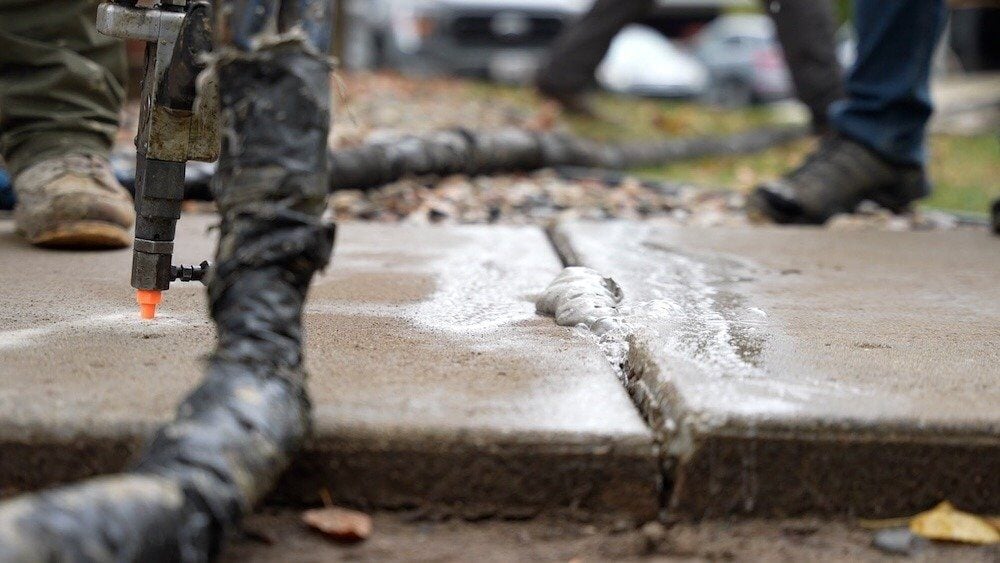
Preventative Steps to Avoid Future Unequal Surfaces
Numerous home owners overlook preventative actions that can help maintain a degree surface with time. Routinely checking the concrete for fissures and cracks is vital, as early discovery can stop much more major concerns. Making certain appropriate water drainage around the home is likewise vital; water merging near concrete can result in disintegration and settling. Home owners need to consider using landscape design strategies, such as sloping soil away from concrete surfaces, to better alleviate water-related damages. Additionally, applying a high-quality sealer can secure against dampness penetration and freeze-thaw cycles. Ultimately, staying clear of too much weight on concrete surface areas, particularly during building and construction or renovation, can protect against early settling. By implementing these procedures, homeowners can considerably minimize the risk of future uneven surfaces.Keeping Your Concrete for Long Life and Resilience
Normal upkeep plays an essential function in ensuring the long life and durability of concrete surfaces. To accomplish this, normal cleansing is vital; debris, dirt, and discolorations need to be eliminated quickly to stop damage. In addition, sealing the concrete every few years produces a protective obstacle versus dampness and damaging chemicals. Checking for cracks or damage is essential, as timely fixings can prevent additional wear and tear. Applying a resurfacer can also bring back the look and capability of used surface areas. In addition, handling water drain and preventing heavy loads can substantially reduce stress and anxiety on the concrete. By adhering to these maintenance methods, building proprietors can extend the life of their concrete surfaces, guaranteeing they remain both practical and visually appealing for several years to come.Often Asked Concerns
How Much Time Does Concrete Leveling Usually Take to Complete?
Concrete leveling commonly takes in between one to 3 hours for smaller areas, while larger jobs may need several days. Variables influencing period include the size of the area, method made use of, and weather condition problems.Can I Level Concrete Myself, or Should I Work with a Professional?
One can level concrete themselves if they have the essential skills and devices; however, employing a professional is advisable for complicated projects or those doing not have experience, ensuring a better and more resilient coating.What Weather Condition Problems Are Suitable for Concrete Leveling?
Perfect weather for concrete leveling include mild temperature levels in between 50 ° F and 85 ° F, with reduced humidity and very little wind. These factors help you could look here assure correct curing and adherence, decreasing the danger of cracks and inconsistencies.Is It Safe to Stroll on Leveled Concrete Instantly After Application?
Strolling on leveled concrete right away after application is generally not risk-free. Concrete Leveling. It requires time to treat appropriately, and premature foot website traffic can harm the surface, bring about flaws and a minimized lifespan of the leveling materialJust How Much Does Concrete Leveling Typically Price?
Concrete leveling typically costs in between $3 to $25 per square foot, depending on aspects like the degree of leveling required, the approach made use of, and regional rates variants. Property owners should acquire several quotes for precise quotes.Reviewing the damages to concrete surfaces is vital for preserving security. A recognizable change in the surface of concrete can lead to numerous problems, making it important to identify the indicators that suggest a need for leveling. Secret devices include a concrete float, which smooths the surface; a screed board, made use of to level the concrete; and a trowel for finishing edges. A degree is essential for ensuring an even surface area, while a concrete mixer is required for preparing the mix. Concrete leveling needs an organized approach to guarantee a smooth, even surface.
Report this wiki page